asdas
(Source: Aerps.com/Unsplash+)
Industry Insights
JUNE 26, 2025

Here Are 6 Keywords and Prompts Sustainability Leaders Can Use to Unlock AI’s Full Potential


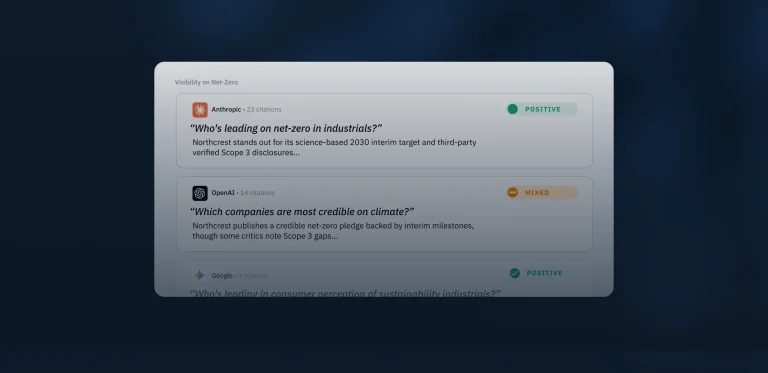
For CEOs, CSOs, and sustainability communicators, the rise of large language models (LLMs) like ChatGPT and Claude isn’t just a tech story — it’s a leadership tool. But knowing how to ask the right questions is where the magic begins.

Here are the top keywords and prompt strategies that sustainability leaders can use to turn LLMs into powerful, everyday partners:

✅ “Summarize this ESG report…”
Use LLMs to cut through dense reports or filings. Try:
“Summarize this 50-page ESG report into 5 key points for an executive audience.”

✅ “Generate social copy on…”
Speed up stakeholder communication with:
“Generate a LinkedIn post announcing our new emissions reduction target.”

✅ “Compare our sustainability goals to peers…”
Stay competitive with:
“Compare Unilever’s sustainability KPIs to ours using latest public data.”

✅ “Draft messaging for…”
Need consistent tone across formats? Prompt:
“Write a press release and a CEO quote for our biodiversity investment.”

✅ “Create a content calendar for…”
Let AI build structure for campaigns:
“Make a quarterly content plan for employee sustainability engagement.”

✅ “Explain this regulation like I’m 5…”
For decoding policy:
“Explain the new SEC climate disclosure rule for a boardroom audience.”

LLMs are most effective when used as co-pilots — not final decision-makers. The trick is giving clear, context-rich instructions. And as always, human review ensures tone, accuracy, and alignment.

Whether you’re optimizing ESG disclosures, planning content, or just brainstorming faster, prompt literacy is the new leadership skill.

Talk to our team

(Source: Markus Spiske/Unsplash+)
Industry Insights
JUNE 24, 2025

How Sustainability Thought Leaders Can Harness AI for Smarter, Faster Impact


Artificial intelligence is no longer just the domain of IT teams — it’s quickly becoming a must-have for forward-thinking sustainability leaders and CEOs. Large language models (LLMs) like ChatGPT can help organizations move faster, communicate more effectively, and stay ahead of evolving ESG demands.

Here’s how:

✅ Streamline ESG Reporting: LLMs can support sustainability teams by generating first-draft disclosures, summarizing regulatory guidance, or benchmarking peer reports — saving time while improving clarity.

✅ Accelerate Internal Comms & Training: From onboarding new employees on sustainability policies to answering everyday compliance questions, LLMs can act as internal knowledge assistants when fine-tuned with your company’s own data.

✅ Enhance Stakeholder Engagement: Whether crafting emails, talking points, or social media posts, AI tools can help your comms team tailor sustainability messaging across channels, keeping language consistent and impact-focused.

✅ Surface Strategic Trends: With the ability to analyze large volumes of ESG news, scientific literature, and regulatory updates, LLMs can flag risks and opportunities early — a critical advantage in a rapidly changing landscape.

Of course, these tools are only as good as the human leadership guiding them. CEOs and CSOs should think of LLMs not as replacements, but as scalable support for your mission — helping you spend less time chasing data and more time driving transformation.

Talk to our team

(Source: Getty Images/Unsplash+)
Industry Insights
JUNE 18, 2025

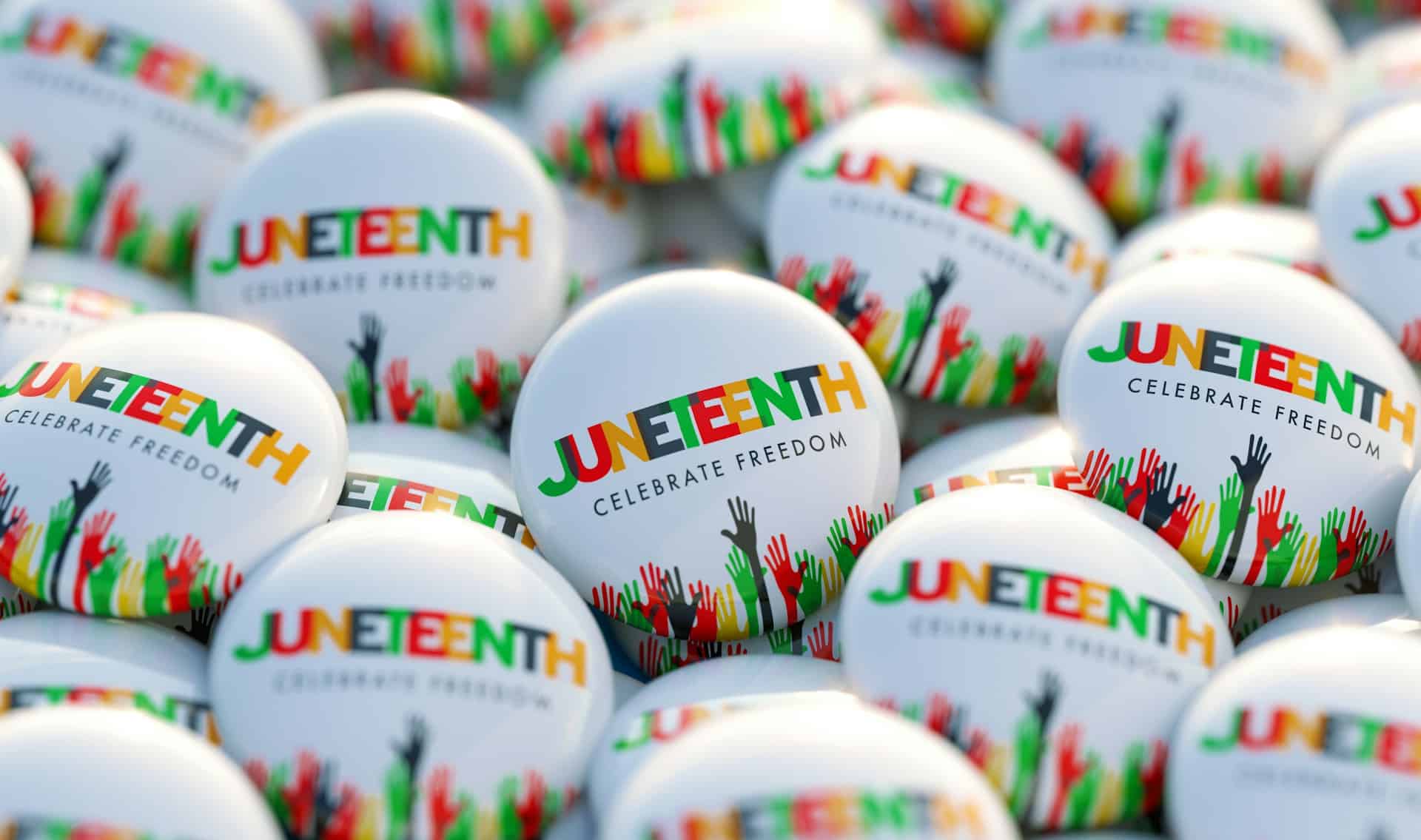
Juneteenth’s Impact Remains a Powerful Message To Share With Your Teams


June brings about many festive celebrations and holidays, including one of the newer federal holidays, Juneteenth.  As many businesses appear to be rolling back Juneteenth, other DEI initiatives, and events similar to what’s happened with PRIDE Month festivities, one thought leader in our space suggests that Juneteenth is still an important message of lasting impact internally.  But what is Juneteenth? Also known as “Freedom Day” or “Emancipation Day,” it is celebrated as the day the last group of enslaved Black Americans in Texas were told of their freedom — almost three years after President Abraham Lincoln read the Emancipation Proclamation, which ended slavery on Jan. 1, 1863.

The U.N. Global Compact USA chapter published Wednesday that Juneteenth still provides a pivotal message: “change doesn’t end with policy” and can be used to build a strong “strategic roadmap” for businesses large and small.  The UNGC USA says that companies with “gender-diverse leadership teams are 25% more likely to achieve above-average profitability,” while also noting that “those (companies) with various perspectives at the executive level see a 36% higher likelihood of success.”  “Still, companies must navigate significant challenges to reap these benefits fully. A new law, initiative, or company policy may signal progress,” the article reads. “However, the day-to-day decisions, resource allocations, and cultural shifts determine whether those ideals translate into meaningful outcomes. Understanding these challenges — and finding solutions — requires looking at history. Juneteenth is a reminder that policy alone won’t close gaps. Action will.”

But one thing companies should avoid while celebrating Juneteenth and other holidays is being performative, especially in light of DEI programs being rolled back in 2025. Being genuine goes a long way, as Popular Information notes.  To read more on what the Global Compact Network USA has to say about the impacts of this federal holiday, click here.

More like this: 

Talk to our team

Industry Insights
JUNE 17, 2025

Disclosure and Reporting: 5 Terms To Think About When You Are Compiling Your Sustainability Report


Disclosure and transparency are key terms for 2025, with recent changes and updates to reporting standards and different geographical regions issuing varying sets of guidelines, which can be challenging to navigate effectively, especially for those new to the space.

Also known as a “Transparency Statement”, “ESG Report”, and “Climate Related Risk Reporting”, the report essentially boils down to disclosing information on your company’s social impact initiatives and future goals and aims. Some tips to consider are;

✅ Consider using a “Double Materiality” Lens where you disclose how sustainability issues affect your business (financial materiality) and how your business affects the environment and society (impact materiality)

✅ Build trust by disclosing progress, not just goals. What’s been working and what initiatives need improvement

✅ Use case studies and employee feedback to demonstrate the data

✅ Include an executive summary and quotes to help show thought leadership in your industry

One key element in compiling this type of report is demonstrating that your company is aligned with leading frameworks and adhering to recent updates and guidelines. We wanted to put together a brief guide on some key frameworks to be aware of when compiling your report. 

💡Corporate Sustainability Reporting Directive (CSRD) – An EU directive that mandates companies to report on their environmental, social, and governance (ESG) performance.

💡Environmental Management System (EMS) – A structured approach that helps businesses and organizations manage their environmental impacts and ensure compliance with environmental regulations.

💡 IFRS Sustainability Disclosure Standards – IFRS S1 and S2 are designed to provide a global baseline for sustainability-related disclosures by companies, aiming to improve comparability and decision-making for investors.

💡 Paris Agreement – A legally binding international treaty on climate change adopted in 2015, aiming to limit global temperature increase to well below 2°C above pre-industrial levels, with efforts to limit it to 1.5°C

💡 Science-Based Targets Initiative (SBTi) – A global organization that helps businesses and financial institutions set ambitious emissions reduction targets that align with the latest climate science

These terms are taken from our Industry Glossary. You can find additional resources around reporting standards and disclosure by Forbes and CSO Futures.

Talk to our team

a group of people standing in a room
Want a quick round up before the weekend? We've got you covered.
Industry Insights
JUNE 13, 2025

Your Week in Thought Leadership & Sustainability: June 9 — 13


On tap: Sustainability pros are on the A.I. train. Grid and storage technologies, the rapid rise of renewables and hydrogen, a nuclear energy renaissance, the critical role of AI, and the growing importance of industrial policy and sustainable construction.

Don’t fall victim to the June swoon. In the first part of the month, sustainability conversations are dominated by breakthroughs in grid and storage technologies, the rapid rise of renewables and hydrogen, a nuclear energy renaissance, the critical role of AI, and the growing importance of industrial policy and sustainable construction. These solutions are at the heart of the global push to decarbonize energy, stabilize power systems, and meet the demands of a rapidly electrifying world. Check out our weekly round up, click the headline above each summary to read more.

1. Breakthroughs in Grid-Forming Energy Storage Grid-forming energy storage technology is a major focus, as it enhances grid stability and supports large-scale integration of renewables. This innovation is projected to unlock up to $5 trillion in new global renewable energy investments by addressing the challenge of maintaining stable power systems as renewable penetration increases.

2. Renewables Surpassing Fossil Fuels Renewables-based electricity generation is set to overtake coal-fired generation in 2025, with wind and solar expected to surpass nuclear and hydropower in the following years. Major economies are accelerating renewable deployment through ambitious policies and investments, making this one of the most discussed trends globally.

3. Hydrogen and Clean Hydrogen Scale-Up Hydrogen, especially green hydrogen produced via electrolysis, is rapidly gaining momentum as a clean, flexible, and scalable energy carrier. Governments and industries are investing billions in commercial electrolytic hydrogen projects, aiming to decarbonize power, transport, and industry. The UK, US, and the EU are at the forefront of this transition, with projections for exponential growth in low-emission hydrogen production by 2030. 4. Nuclear Renaissance and Fusion Energy Nuclear energy is experiencing renewed interest as a stable, low-carbon power source to meet surging energy demands, particularly from AI-driven data centers. Small modular reactors and fusion energy are advancing, with significant public and private investment and new national strategies in Europe and the US. The EU’s “Competitiveness Compass” and the UK’s STEP prototype fusion plant highlight this momentum.

5. AI and Digital Innovation in Clean Energy Artificial intelligence is being deployed across the energy sector to optimize renewable integration, manage smart grids, accelerate permitting, and improve operational efficiency. AI-powered robots and smart meters are helping scale solar and wind, while AI-driven virtual power plants aggregate distributed resources for grid stability. 6. Advanced Energy Storage Technologies Innovations like sand batteries (thermal energy storage in silica sand) and large-scale battery storage are enabling more efficient capture and use of renewable energy, addressing intermittency and supporting grid reliability. The US is set for a record-breaking expansion of battery storage capacity in 2025.

7. Circular Economy and Sustainable Construction The adoption of phase-change materials for insulation and smart inverters for grid-responsive buildings are making construction more sustainable. These solutions reduce emissions from the built environment and improve energy efficiency. 8. Industrial Policy and Cleantech Manufacturing Governments are using industrial policy to accelerate clean energy technology deployment, boost domestic manufacturing, and secure supply chains. This trend is driving investment in cleantech and fostering innovation ecosystems.

And there’s more where that came from — visit 3BL.com here to see the latest news from our clients.

Talk to our team

(Image: Naila Conita/Unplash)
Industry Insights
JUNE 11, 2025

ICYMI: TriplePundit’s Brands Taking Stands — June 4-11


Are you subscribed to TriplePundit’s Brands Taking Stands newsletter? Here’s what you missed and more on how you can subscribe.

From the TriplePundit newsroom: Are We Finally At a Tipping Point for Sustainable Aviation Fuel? By Tina Casey Sustainable aviation fuel accounted for less than 0.15 percent of total fuel used among 77 leading airlines last year, but new supplies could soon change that. U.S. production of biofuels for aviation and other applications nearly doubled from December 2024 to February 2025, with new projects coming online in Montana, Nevada and Texas.

Landmark Gender Justice Agreement for Indonesian Garment Workers Shows the Power of Research and Campaigning By Nithin Coca Last year, two garment factories in Indonesia signed an agreement aimed at eliminating gender-based violence with a union-led program. Now, the organizers behind it want to see the model spread across the country.

Do Sustainability Conversations Have to Be Divisive? By Taylor Haelterman There’s been a notable shift in social impact and sustainability communications in the United States, but that doesn’t mean the conversation is over. In the latest edition of The Solutions Effect, our monthly newsletter covering the best of solutions journalism in the sustainability space, we explore how people are opening up new dialogues about the issues we face right now.

New Tech Turns Manure Into Fertilizer While Capturing Carbon By Mary Riddle The climate startup Kairos Carbon developed a system that extracts carbon from livestock waste, sequesters it, and turns what’s left into a fertilizer that doesn’t leach into groundwater. The process reduces agricultural emissions while reclaiming valuable nutrients from the waste.

Want to learn more about TriplePundit and their newsletters? Click here and subscribe to this and the rest of the 3BL newsletters — the best of the sustainability and ESG space directly into your inbox.

Talk to our team

Photo by Diwei Zhu on Unsplash
Industry Insights
JUNE 6, 2025

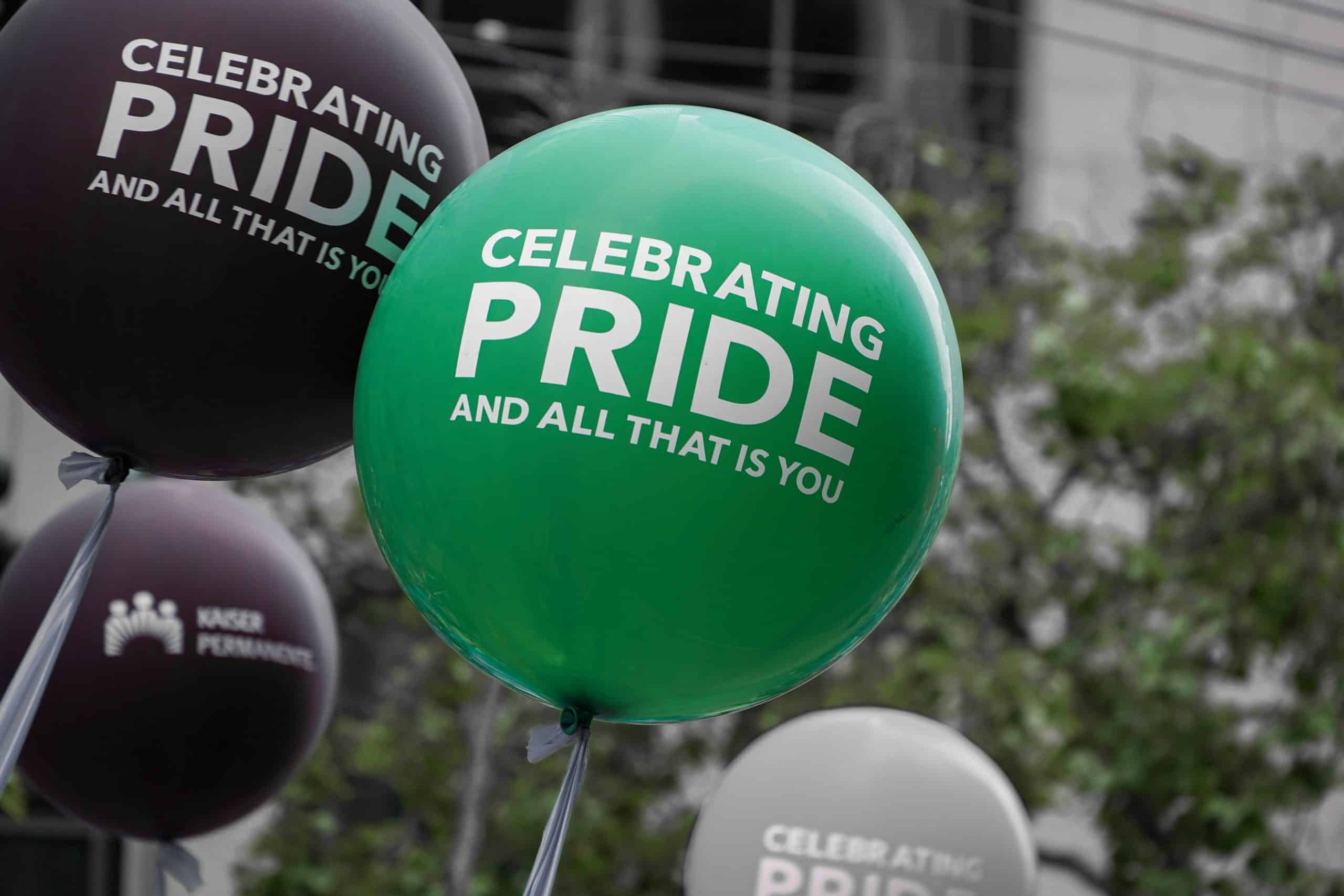
Amplifying Voices During Pride Hasn’t Stopped in the Sustainability Space


With so many changes throughout public and political discourse in 2025, it’s no surprise that many businesses have scaled back celebrations surrounding diversity, equity, inclusion, and climate-related celebrations. In the impact space, however, the drumbeat of equity is still thumping — and has brought us here to PRIDE Month. With consumer brands fearful of political backlash in the form of public tongue-lashings from government officials, others have stayed firm on their activism and continue to support not only consumers but also internal stakeholders.

Here are some highlights from this year so far, just a few of many who have stood by their already established policies — a small sample of large businesses that continue their support of diverse communities:

  • BarkBox, a pet supplies delivery company, reaffirmed its commitment by donating 100 percent of its PRIDE collection revenue to LGBTQIA+ organizations, according to Business Insider. 
  • Ben & Jerry’s: The company’s founders have long disavowed the politics of President Donald Trump and doubled down on their support for LGBTQIA+ organizations, per The Advocate.
  • Coca-Cola: The Atlanta-based company says it won’t be stifled by “woke policies.”  
  • Delta Airlines: A director for the airline told NBC News in January that, “DEI is not something that’s going to stop at Delta Airlines.”
  • E.l.f. Beauty: The cosmetic company told The Advocate that with a company that comprises “74 percent women,” and is “44 percent diverse,” their mission to accessibility means it has to stick to their current DEI policies. 
  • Apple: The tech giant has always been a fierce corporate ally, standing firm against the likes of right-wing pressure groups, such as the National Center for Public Policy, The Advocate reports. 

Here are a few more reports of the businesses and leaders who are continuing to support the above initiatives: 

This Pride Month, the convergence of LGBTQIA+ advocacy and environmental sustainability underscores the importance of inclusive approaches to climate action. By uplifting these and other diverse voices and supporting organizations at this intersection, we move towards a more equitable and sustainable future. Editor’s Note: Prior to this about-face, BarkBox’s CEO faced backlash after a leaked memo compared PRIDE celebrations in a pet collection to having a Trump/MAGA collection. The leaked document outraged many, including several LGBTQIA+ influencers, according to USAToday. This is another example of why companies need to be cautious about being reactionary in ways that could alienate their customers and stakeholders.

Talk to our team

Source: Ninthgrid via Unsplash
Industry Insights
JUNE 4, 2025

Here Are Five Ways Businesses Can Create Media Releases That Make Readers Click


You’re sitting or standing at your desk, and you have to get this one free media release, press release, or media release out to the public. Your organization is excited about its sustainability and environmental initiatives, highlights its top employees and team members, and makes it known that their brand means something.

You have so many thoughts on how to get this done and convey the successes and goals your team has in mind. But what can you do to make the information sing and stand out for coverage or distribution? Here are 5 tips that you can take that are universal for the things you publish. And it’s more than good search engine optimization practices (start there and read the rest).

✅ Write your headlines with clear, impact-driven headlines: Use powerful, specific language that highlights actual outcomes. Instead of Company Launches Green Initiative, go with something like XYZ Co. Cuts 20 Tons of Carbon Emissions with New Solar Program. Journalists and readers want to know what changed and why it matters.

✅ Avoid acronyms, corporate speak, and equally questionable greenwashing buzzwords: This does not mean not using the words that make sense, just phrases and words that are too much inside baseball. Be clear and transparent about what’s been achieved and what still needs work. Avoid vague phrases like eco-friendly or going green unless they’re clearly defined. Journalists (and readers) are increasingly savvy and skeptical. Remember: authenticity wins.

✅ Showcase and celebrate the people behind the company’s initiatives: Prove to external stakeholders how your organization is living the brand. Highlight employees, community members, or partners involved in the project. A story about a factory worker helping to implement a recycling program or a community benefiting from a clean water initiative adds emotion and relatability, making the release more engaging and newsworthy.

✅ Back your reporting up with digestible & accurate data: It’s imperative to include measurable results — emissions reduced, waste diverted, energy saved—but avoid data overload. Consider using bullet points or dynamic interactive infographics to communicate the impact efficiently. This adds credibility and makes the release more shareable and media-friendly.

✅ Create content that journalists & tastemakers want to amplify: Include high-quality, downloadable, and credible visuals (photos, charts, videos), executive quotes, and links to full sustainability reports or third-party verifications. Also, add media contact info and social handles so they can follow up easily or tag the company in stories. Take these tips in stride and best of luck on all those pageviews!

Talk to our team